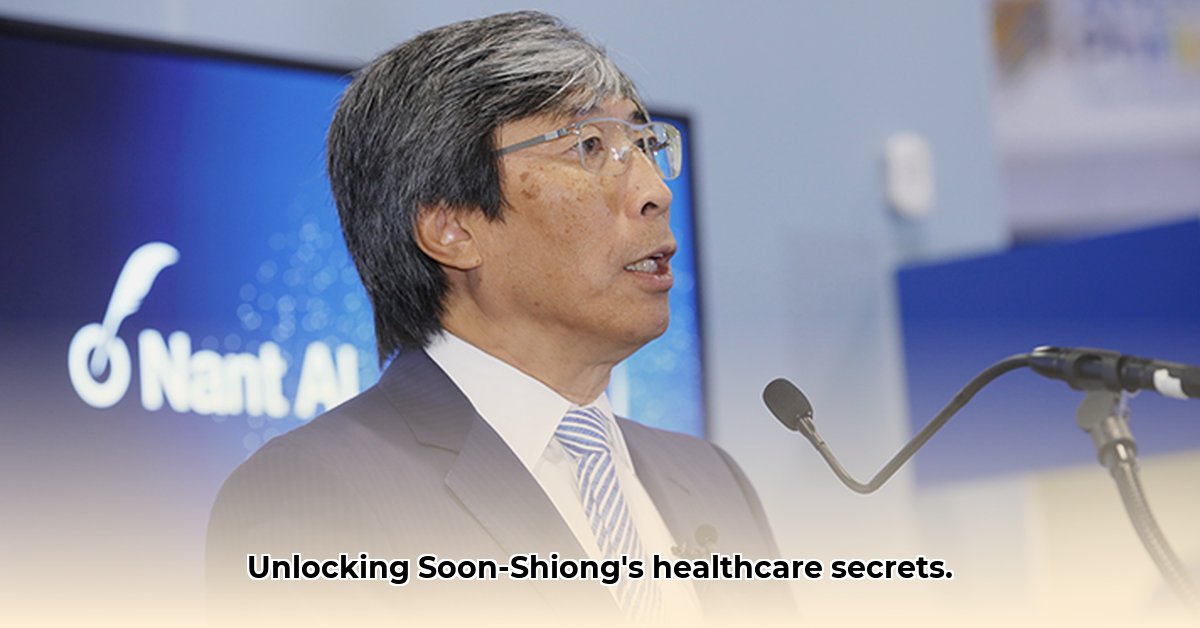
Patrick Soon-Shiong, a name synonymous with groundbreaking healthcare advancements and ambitious entrepreneurship, stands at the forefront of a medical technology revolution. His journey, marked by both remarkable successes and significant challenges, provides a compelling case study in the complexities of translating scientific innovation into tangible, real-world impact. This article delves into Soon-Shiong's multifaceted career, examining the triumphs and setbacks that have shaped his legacy. Learn more about his life and work by visiting this page.
Abraxane: A Paradigm Shift in Cancer Treatment
Soon-Shiong's career took a dramatic turn with the development of Abraxane, a reformulated version of the chemotherapy drug paclitaxel. Unlike traditional paclitaxel, Abraxane utilizes albumin nanoparticles to deliver the drug, significantly improving tumor targeting and reducing debilitating side effects. This wasn't merely an incremental improvement; it represented a paradigm shift in cancer treatment. Clinical trials demonstrated improved patient outcomes, establishing Abraxane as a standard of care for numerous cancers. Its resounding success cemented Soon-Shiong's reputation as a visionary innovator. The drug's financial success provided the cornerstone for his subsequent, even more ambitious ventures.
The NantWorks Ecosystem: A Network of Technological Innovation
Soon-Shiong's ambition extends far beyond a single drug. He built NantWorks, a sprawling network of interconnected companies employing artificial intelligence (AI), nanotechnology, and immunotherapies to revolutionize healthcare. NantHealth, for example, utilizes AI to analyze vast quantities of patient data, enabling personalized treatment plans. NantKwest focuses on developing cutting-edge immunotherapies, harnessing the body's immune system to fight cancer. This integrated approach aims to create a seamless system for faster, more effective, and precise healthcare delivery.
Nanotechnology: Microscale Innovation, Macroscale Impact
A cornerstone of NantWorks' technology is nanotechnology. By using nanoparticles as drug delivery vehicles, treatments can be precisely targeted, maximizing efficacy while minimizing harm to healthy tissues. The potential of this technology is immense, promising less invasive therapies and unprecedented precision in medicine. However, challenges remain in scaling production and ensuring the long-term safety and biocompatibility of these nanoscale materials.
Challenges and Criticisms: Navigating the Complexities of Innovation
Despite the impressive technological potential, Soon-Shiong's ventures have not been without their challenges. Some NantWorks companies have struggled to achieve profitability and widespread market penetration. The regulatory landscape for novel medical technologies presents significant hurdles. Additionally, concerns persist regarding the long-term efficacy and cost-effectiveness of some of these advanced therapies, necessitating further robust clinical trials and data analysis. These obstacles highlight the inherent complexities of translating innovative ideas into sustainable, impactful healthcare solutions. “The transition from the laboratory to the clinic is often fraught with challenges,” notes Dr. Emily Carter, Professor of Chemical and Biomolecular Engineering at Princeton University.
Future Prospects: Personalized Medicine and Beyond
The future of Soon-Shiong's innovations hinges on the successful integration of AI, nanotechnology, and immunotherapies to achieve personalized medicine. The potential to tailor cancer treatments to a patient's unique genetic profile and disease characteristics is transformative. However, the full realization of this potential requires continued robust research, comprehensive clinical trials, and transparent data sharing to ensure the safety and efficacy of these advanced therapies. The path forward is marked by both immense potential and significant uncertainties.
Conclusion: A Legacy of Innovation and Ongoing Challenges
Patrick Soon-Shiong's impact on healthcare is undeniable. Abraxane stands as a testament to his innovative capabilities, while the NantWorks ecosystem represents a bold vision for the future of medicine. However, the journey is far from over. The long-term success of his ventures hinges on addressing the inherent challenges related to market penetration, regulatory approvals, cost-effectiveness, and the need for more conclusive long-term data. The story of Soon-Shiong's contributions is a complex narrative of remarkable achievements and ongoing evolution, highlighting the inherent risks and rewards of pushing the boundaries of medical innovation.
Key Takeaways:
- Soon-Shiong's Abraxane represents a significant advancement in cancer treatment.
- The NantWorks ecosystem aims to integrate AI, nanotechnology, and immunotherapy for personalized medicine.
- Challenges remain in terms of market penetration, regulatory hurdles, and the need for long-term data.